Mini Mops House Cleaning

Family Owned and Operated Service You can Trust since 1975

Contact Us:

(559) 264-6677
estimates@minimopsinc.com

  • Mini Mops House Cleaning
  • Services
  • What To Expect
  • What Clients Say About Us
  • Policies
  • Articles
  • Contact Us

Cleaning, and Sanitizing, and Disinfecting … Oh, My!

January 24, 2014 By Michele Peterson

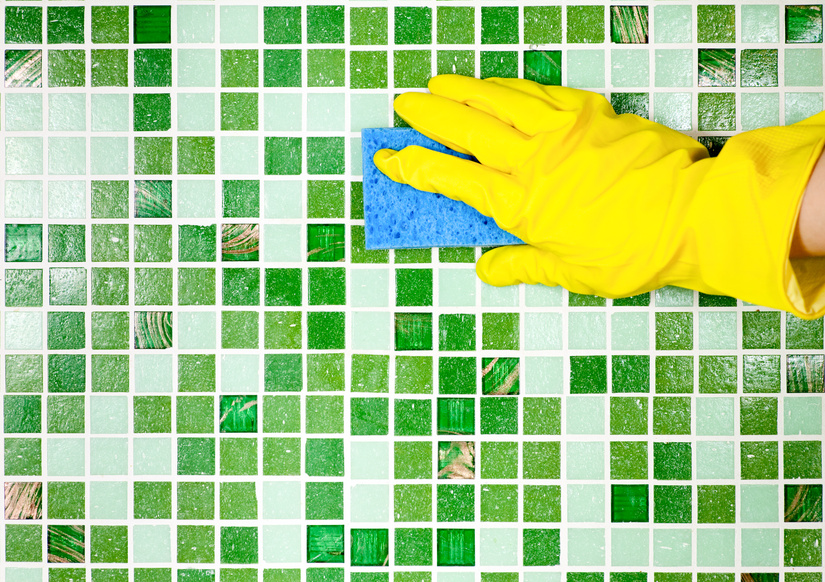
Yellow-gloved hand cleaning green tile to illustrate the Mini Mops House Cleaning article on the difference between Cleaning, Sanitizing, and Disinfecting

It’s flu season, and I don’t think we’re in Kansas anymore …

Seriously, do you know the difference between cleaning, sanitizing, and disinfecting?

Although these words are often used interchangeably, there IS a difference. Let’s look at what the difference is and what it means to you …

Cleaning removes germs, dirt, and other “stuff” from surfaces and/or objects. Cleaning typically involves using soap or some kindvof detergent to remove the dirt and germs. Cleaning doesn’t kill the germs … it simply removes those present on the surface at the time of the cleaning, which lowers the overall presence of germs and lowers the risk of spreading infection and disease.

Sanitizing lowers the number of germs on surfaces and/or objects to what is considered a safe level. (Considered safe by public health standards.) Sanitizers do not kill viruses or fungi, either, but they lower the bacteria count to safe levels, generally through a cleaning process.

Disinfecting kills the germs. Disinfecting sprays may not clean the surface and/or object, but they destroy the organisms listed on the label. By killing the germs, you also lower the risk of spreading infection and disease.

The bottom line is lowering the risk of spreading infection and disease … and you can do that by cleaning, sanitizing, or disinfecting.

For even more information, check out Cleaning and Disinfecting Properly.

We’d love to know if you found this article helpful. Please leave a comment below!

And remember, if you live in Fresno CA or the surrounding area and need help … CALL US at (559) 264-6677! Estimates are free, and the value you receive from professional house cleaning is more affordable than you might think!

Filed Under: House Cleaning Tips Tagged With: Cleaning, disinfecting, Sanitizing

Cleaning and Disinfecting Properly

January 20, 2014 By Michele Peterson

Cleaning and Disinfecting Properly

Are YOU cleaning and disinfecting properly?

The CDC (Centers for Disease Control and Prevention) recommends this 3-step process to clean and disinfect household surfaces:

1 – Wash surfaces with a general household cleaner to remove germs.

2 – Rinse with water.

3 – Apply a disinfectant registered with the EPA (Environmental Protection Agency) to kill germs, especially the flu virus.

To make your own disinfectant, the CDC recommends a mixture of ¼ c. bleach per gallon of water.

We at Mini Mops make our own Bleach Mix, which is a combination of bleach, detergent, and water. While we can’t tell you the exact recipe (that’s our trade secret), you can be assured that it’s an even higher concentration than what the CDC suggests.

We like to be extra thorough!

Filed Under: House Cleaning Tips Tagged With: bleach, CDC, disinfecting

Real House Cleaning Pros Don’t Use Feather Dusters!

November 25, 2013 By Michele Peterson

Unhappy kid - veggies for dinnerHave you ever watched a kid push food around on his plate? You know, the food that you want him to eat but that he doesn’t (generally a vegetable of some sort) …

Somehow, he thinks that if he just moves it around enough that it will disappear. Or it will at least look like he’s eaten some of it, and he’ll be off the hook.

He hasn’t actually removed any of this food from his plate (unless he’s exceptionally sneaky and your family dog happens to like the offending food item). But he hopes that just moving it around is good enough.

You’re wise to this trick, though, and you make sure that he eats what he’s supposed to. Right?

Dusting with a feather duster is just like that kid moving food around on his plate. You’re moving the dust around, but it’s all still there. You haven’t actually DONE anything to remove it.

The feathers of a brand-new feather duster will pick up some of the dust, but not all of it by any means. And a feather duster quickly loses even that limited efficiency.

Do this instead …

So instead of feather dusters, we use soft flannel dust cloths and Endust. We instruct our house cleaning workers to spray Endust on the dust cloth because it works as a dust magnet. It helps to pick the dust particles up, capture them on that cloth, and leave a clean surface behind.

In our experience, this has worked very well … MUCH better than feather dusters.

And, after all, isn’t that why you hire us? To get the job done and done well?

Until next time … Keep it Clean!

Filed Under: House Cleaning Tips Tagged With: dusting, Endust, feather dusters

Bathroom Exhaust Fan Lint is a FIRE HAZARD!

October 24, 2013 By Michele Peterson

You’re probably aware that the lint that builds up in a dryer vent is a potential fire hazard. But what about the lint that accumulates in your bathroom exhaust fan?

Just like dryer lint, bathroom fan lint is flammable, making it a fire hazard.

Before-After Bathroom Vent Cover

Bathroom exhaust fans — generally installed in the ceiling, and made with or without lights — are designed to remove moist air from the room. They help prevent steamed up mirrors, damp walls, and fogged windows, as well as remove odors.

BUT … the moist air combines with air particulates, and lint builds up. It builds up on the outer cover and also inside, on and around the motor. Over time, the lint accumulates to the point where heat builds up and can cause the motor to overheat.

Since the lint also acts to insulate the motor, the heat build-up gets accelerated.

Heat + lint = trouble!

Before-After Bathroom Vent Motor - Fire Hazard

The lint is an easy-to-ignite fuel source for fire, which in turn ignites other nearby combustible building materials in the ceiling and attic. And now you have an attic fire.

Travelers Insurance alone has documented multiple millions of dollars of loss due to fires that originated in overhead bathroom exhaust fans.

ACTION STEPS YOU CAN TAKE TO PREVENT THIS:

1. Inspect and clean all bathroom exhaust fans regularly.

2. When cleaning, remove the fan cover to clean and remove lint from around the motor, paying careful attention to all air-flow areas.

3. Wash the fan cover in warm soapy water to remove all lint. If there is any mold growing, add bleach to the cleaning mixture. Make sure the cover is completely dry before putting it back up.

Yes, this adds some time to your cleaning routine … but it’s worth it to decrease your risk of a fire. So please work it into your routine and be safe.

Until next time … Keep it Clean!

Filed Under: House Cleaning Tips, Household Safety Tips, Household Tips Tagged With: bathroom exhaust fan, fire hazard, lint

Using Vinegar to Clean Your Home: 2 Things to Do BEFORE the Pros Come

September 26, 2013 By Michele Peterson

Mini Mops House Cleaning in Fresno CA - Using Vinegar to Clean Your HomeIf you’ve been with us for any length of time, you know that we’re constantly using vinegar to clean various parts of your home. We bring it to jobs by the gallon because it’s such a great cleaner.

We use it to clean glass and mirrors. We also use it as a final rinse for floors to remove all lingering residue so that your floors will shine. When we clean ovens, we rinse those with vinegar, too.

We shared two ways to get rid of house odors in a prior article (one of them was to use vinegar). And here are still two MORE ways you can use vinegar to get a cleaner home …

1. On the night before your Mini Mops crew is scheduled to clean your home, pour 2 cups of vinegar in your toilet. It will help break down any water mineral and lime deposits that may be forming.

2. On the morning of the day the crew cleans your home, spray your glass shower door (after you’ve squeegee’d it) with vinegar. If you have any hard water deposits forming, this will help the crew get the door more clean.

It works!

The acid in the vinegar breaks down grease, mold, and even bacteria. It’s biodegradable and environmentally friendly. It’s user-friendly, too. So get yourself a gallon of the stuff and use it!

We’ll share even more things to do with vinegar in future articles. Please leave a comment below if you have any tips you’d like to share or if you have questions you’d like us to answer in a future article.

Until next time … Keep it Clean!

Filed Under: House Cleaning Tips Tagged With: shower door, toilet, vinegar

  • « Previous Page
  • 1
  • 2
  • 3
  • Next Page »

Privacy Policy
Copyright © 2026 · Mini Mops Inc · (559) 264-6677