Mini Mops House Cleaning

Family Owned and Operated Service You can Trust since 1975

Contact Us:

(559) 264-6677
estimates@minimopsinc.com

  • Mini Mops House Cleaning
  • Services
  • What To Expect
  • What Clients Say About Us
  • Policies
  • Articles
  • Contact Us

Cousin John’s Easy Jalapeno Poppers

March 26, 2014 By Michele Peterson

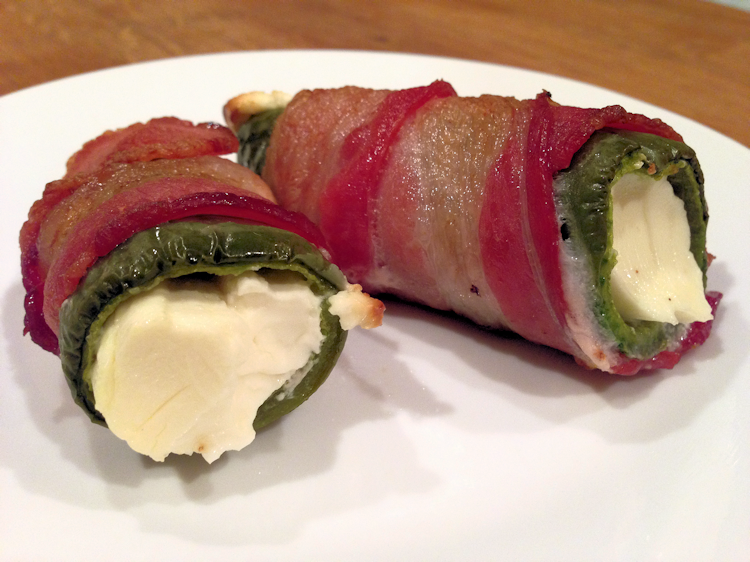
Mini Mops House Cleaning fun stuff - recipe for Cousin John's Easy Jalapeno Poppers

Recipe Submitted by Mini Mops General Manager Ron Peterson

Ingredients:
12 medium to large, fresh jalapeño peppers
1 package cream cheese
12 slices bacon
Directions:
1. Preheat oven to 400°F.
2. Slice into the jalapeños lengthwise and remove the seeds. Be careful not to slice all the way through the pepper, and either wear gloves or wash your hands thoroughly after touching the pepper seeds.
3. Stuff the peppers with cream cheese.
4. Wrap a slice of bacon around the stuffed peppers.
5. Bake until bacon is crispy and cheese is melted, about 30 to 35 minutes.
6. Cool slightly and serve warm or at room temperature.

We share a submitted recipe as well as other fun and useful information each month in our monthly client newsletter. Please contact our office for more information.

Filed Under: Fun Stuff Tagged With: recipe

How To Determine if You Have a Hidden Leak

February 24, 2014 By Michele Peterson

Leaks Can Be Costly

Drip … Drip … Drip … Water dripping from a leaky faucet is a sure sign of a household water leak. But what about leaks that aren’t so obvious?

Hidden Leaks

If you’re on a water meter, an easy way to see if you have a “hidden” leak is to check the meter readings before and after a period of time when no water is being used. A 2-hour period is a good amount of time for evaluation.
If the meter does not read exactly the same after your evaluation period, you probably have a leak.

Toilets

A common hidden leak occurs in toilets. To find out if your toilet flapper is leaking, put a drop of food coloring in the tank. Do NOT flush the toilet. If the color shows up in the bowl within 15 minutes without flushing, you have a leak.
Be sure to flush the toilet immediately after the food coloring test to avoid staining your toilet!

It’s a good idea to fix little leaks right away to prevent them from causing more costly problems down the road. Hope this has been helpful!

Filed Under: Household Tips Tagged With: hidden leaks, leaks, toilet leaks, water meter

Brenda’s Breakfast Bites

February 24, 2014 By Michele Peterson

Brenda's Breakfast Bites

Recipe and Photo Submitted by Mini Mops Office Assistant Brenda Duarte

Ingredients:
4 whole eggs
12 egg whites
2 cups diced cooked chicken
12 slices bacon
1/2 red pepper, chopped
1/2 green pepper, chopped
2 cups chopped fresh spinach
1 avocado, cubed (optional)

Directions:
1. Preheat oven to 350°F.
2. Cook the bacon in a pan over medium heat only until it’s cooked through, but not crispy, about 5 minutes.
3. Spray a muffin tin with non-stick cooking spray and place one piece of the bacon in each tin, wrapping it around the outer edges.
4. In a medium bowl, beat the whole eggs along with the egg whites. Add a dash of salt and pepper. Add the chopped red and green peppers, spinach, and diced chicken. Combine thoroughly and then pour the mixture into each of the muffin tins lined with bacon.
5. Bake until the eggs are fluffy and slightly browned on top, 30 to 35 minutes.
6. Top with diced avocado and eat or refrigerate. Makes 12 omelet bites.

Filed Under: Fun Stuff Tagged With: recipe

3 Easy Ways to Conserve Water at Home

February 24, 2014 By Michele Peterson

Conserve Water

California is in the middle of a severe drought, and we all need to do our part to help conserve the little water we have. You’re no doubt already doing things like limiting your outdoor watering and not letting the faucet run constantly while brushing your teeth.

Here are three easy ways that you can cut down on your household water consumption:

1. Install Low-Flow Shower Heads

A standard shower head has a flow rate of 2.5 GPM (gallons per minute). So if you take a 10-minute shower, you’ll use 25 gallons. A low-flow fixture with a flow rate of 1.5 GPM uses just 15 gallons for the same 10-minute shower … so you’re conserving at least 10 gallons of water with every shower! Multiply that by the number of people showering in your household each day, and the gallons really start adding up!

2. Install Low-Flow Toilets 

If you’ve got a newer home, you may already have a low-flow toilet. You can tell if yours is by looking for a “1.6 gpf” stamped into the porcelain, usually near the tank. Low-flow toilets have been specially designed to work with less water per flush — 1.6 gallons per flush (gpf), or even less. Older toilets can use 5 to 7 gallons per flush. So by switching, you save at least 3 gallons every time someone flushes a toilet in your home.

3. Fix Leaks

According to the U.S. Environmental Protection Agency, the average household’s leaks can account for more than 10,000 gallons of water wasted every year. The EPA also reports that ten percent of homes have leaks that waste 90 gallons or more per day. Common sources of leaks are faucets, toilet flappers, and shower heads … all easily fixed without a major investment.

If you want professional help installing new plumbing fixtures or toilets, or if you have a leak that needs to be fixed, we recommend Bob Sheue at Bob’s Plumbing. You can reach him at (559) 260-1220.

Mini Mops, Inc. is a professional house cleaning company serving residential and commercial clients in the Fresno-Clovis CA area since 1975. We are currently accepting new clients.

Filed Under: Household Tips Tagged With: conserve water, household water, low-flow shower, low-flow toilet

Cleaning, and Sanitizing, and Disinfecting … Oh, My!

January 24, 2014 By Michele Peterson

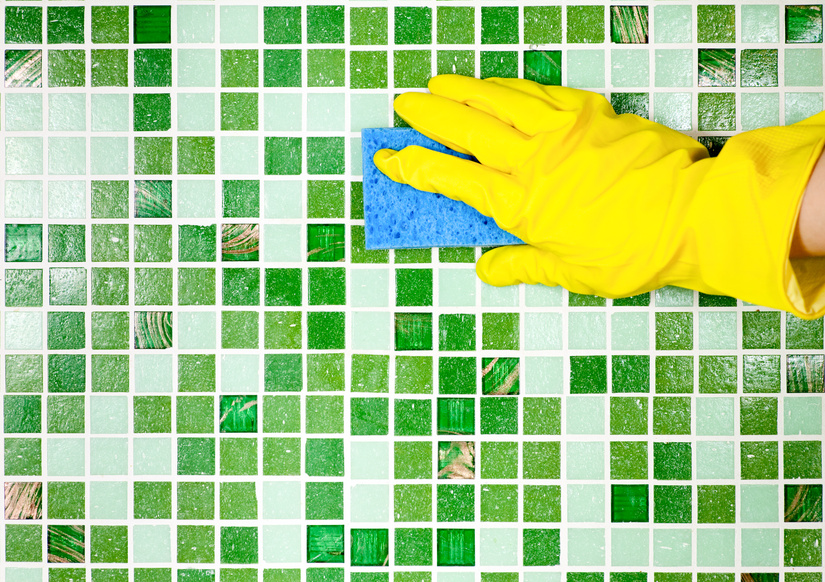
Yellow-gloved hand cleaning green tile to illustrate the Mini Mops House Cleaning article on the difference between Cleaning, Sanitizing, and Disinfecting

It’s flu season, and I don’t think we’re in Kansas anymore …

Seriously, do you know the difference between cleaning, sanitizing, and disinfecting?

Although these words are often used interchangeably, there IS a difference. Let’s look at what the difference is and what it means to you …

Cleaning removes germs, dirt, and other “stuff” from surfaces and/or objects. Cleaning typically involves using soap or some kindvof detergent to remove the dirt and germs. Cleaning doesn’t kill the germs … it simply removes those present on the surface at the time of the cleaning, which lowers the overall presence of germs and lowers the risk of spreading infection and disease.

Sanitizing lowers the number of germs on surfaces and/or objects to what is considered a safe level. (Considered safe by public health standards.) Sanitizers do not kill viruses or fungi, either, but they lower the bacteria count to safe levels, generally through a cleaning process.

Disinfecting kills the germs. Disinfecting sprays may not clean the surface and/or object, but they destroy the organisms listed on the label. By killing the germs, you also lower the risk of spreading infection and disease.

The bottom line is lowering the risk of spreading infection and disease … and you can do that by cleaning, sanitizing, or disinfecting.

For even more information, check out Cleaning and Disinfecting Properly.

We’d love to know if you found this article helpful. Please leave a comment below!

And remember, if you live in Fresno CA or the surrounding area and need help … CALL US at (559) 264-6677! Estimates are free, and the value you receive from professional house cleaning is more affordable than you might think!

Filed Under: House Cleaning Tips Tagged With: Cleaning, disinfecting, Sanitizing

  • « Previous Page
  • 1
  • …
  • 4
  • 5
  • 6
  • 7
  • 8
  • …
  • 11
  • Next Page »

Privacy Policy
Copyright © 2026 · Mini Mops Inc · (559) 264-6677